
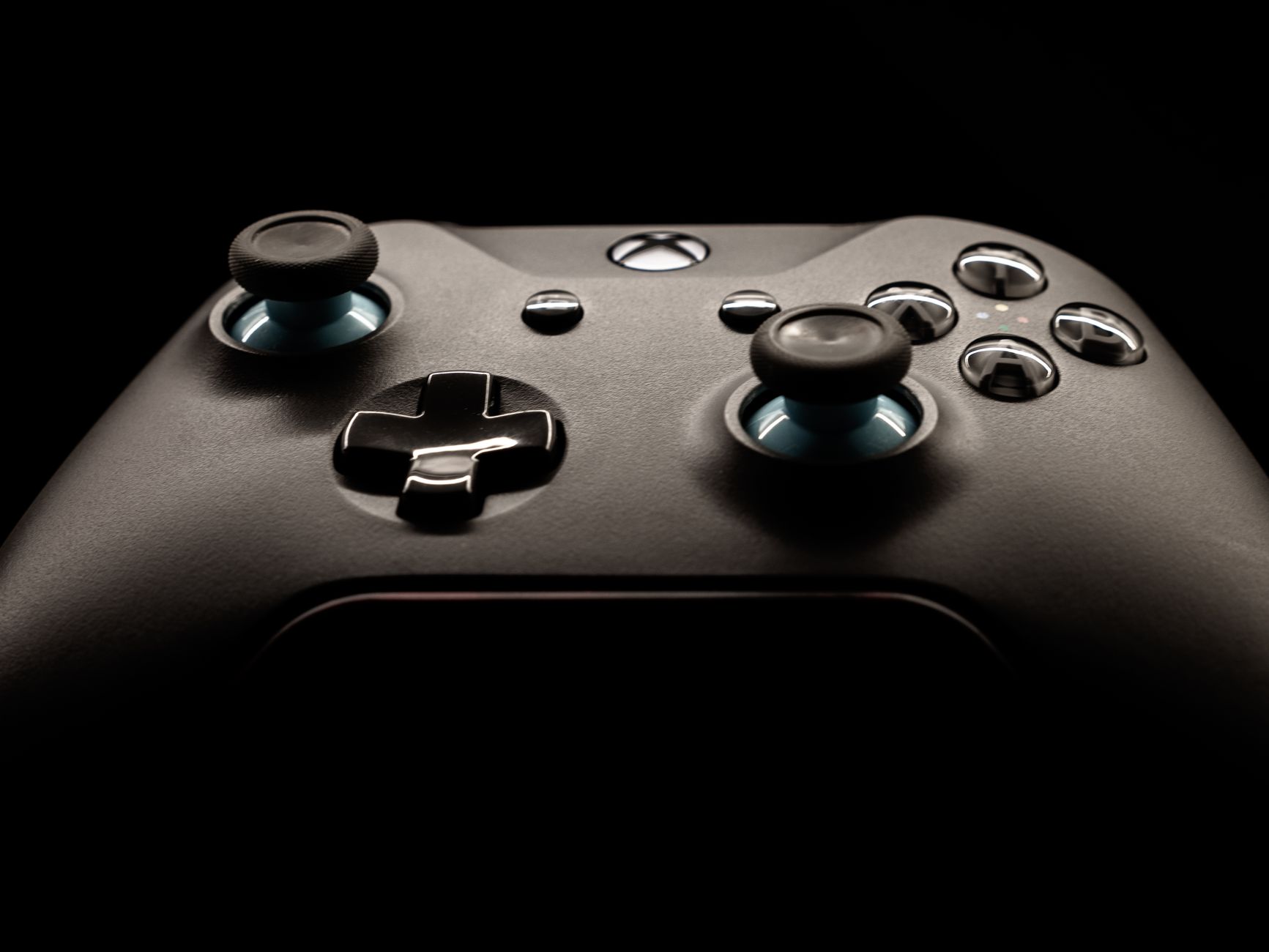
The PS5 DualSense Edge is Sony's answer to the Xbox Elite Controller Series 2: a premium, highly customisable gamepad aimed at players who want granular control over how their inputs feel and behave. At around AU$239 to AU$259 at most Australian retailers, it costs nearly three times the standard DualSense. That gap demands a real explanation, not just marketing copy about "pro" features.
What the DualSense Edge actually adds
The Edge ships with several hardware additions the standard controller doesn't have. It includes two back buttons (called function buttons) that can be mapped to any face button or trigger. The analogue stick caps are swappable, with three shapes in the box: standard dome, high dome, and flat disc. The trigger mechanisms are switchable between full travel, mid-point stop, and a very short "hair-trigger" stop that suits rapid firing in shooters. Sony also includes a braided USB-C cable with a locking collar, which clicks into the controller body so it can't be yanked loose mid-session.
Inside the software, the Edge plugs into a dedicated menu in the PS5 settings where you can save multiple controller profiles, tune stick sensitivity curves (six preset curves plus a fully custom mode), adjust dead zones independently per stick, and set different trigger sensitivity per game profile. You can swap between saved profiles on the controller itself using a dedicated profile button without opening any menu.
Build quality and the stick durability question
The Edge feels premium in the hand. The grip texture is more pronounced than the standard DualSense, the function buttons click with satisfying resistance, and the trigger stops have a mechanical quality that feels deliberate rather than cheap. But the controller carries an important caveat: the stick modules are designed to be replaceable because Sony knows they'll wear out. Replacement stick modules cost around AU$30 to AU$40 and are sold separately. That's not a flaw exactly, but it's worth knowing upfront that the Edge treats stick longevity as a maintenance task rather than a solved problem. Players who've dealt with PS5 DualSense drift on the standard controller will find the replaceable stick approach at least honest, even if it means ongoing cost.
The haptic feedback and adaptive triggers trade-off
Here's what nobody puts in the headline: the DualSense Edge's trigger stops, when engaged, physically bypass the adaptive trigger mechanism. Set the triggers to mid-stop or hair-trigger and you lose the resistance effects that games use to simulate tension, terrain, and impact. That's a meaningful trade-off in games like Horizon: Forbidden West or Gran Turismo 7, where the adaptive triggers are part of the intended experience. For competitive shooters where fast trigger response matters more than immersion, it's a clear win. For everything else, you'll find yourself toggling the stops depending on the game. Sony's haptic feedback and adaptive trigger system is genuinely impressive hardware, and the Edge lets you choose between its depth and its speed, not both at once.
Battery life is the real weak spot
The standard DualSense already draws criticism for its battery life, which runs roughly 8 to 12 hours depending on how hard the haptics are working. The Edge is shorter still. Sony quotes "up to approximately 6 hours" in typical use, though real-world sessions often land below that. The included USB-C cable with the locking collar somewhat offsets this since you can play wired without the cable being a hazard, but a AU$250 controller that needs charging every 5 to 6 hours is a notable shortcoming. There's no battery compartment or swappable pack option.
Who the Edge is actually built for
The DualSense Edge makes the most sense for three types of players. Competitive players in shooters or fighting games benefit most from the remappable back buttons, hair-trigger stops, and custom stick curves. Players with accessibility needs get genuine value from the dead zone tuning, sensitivity curves, and button remapping that goes further than the system-level PS5 accessibility settings. And players who simply log a lot of hours and want the replaceable stick option for long-term durability have a practical reason to pay the premium.
Casual players, those who rotate across multiple game genres, or anyone who primarily values the adaptive trigger and haptic depth of the standard DualSense will likely find the Edge a compromise rather than an upgrade.
Is it worth AU$250?
For what it does well, the Edge is a genuinely well-made piece of hardware. The profile system is fast to use, the build feels durable, and the hair-trigger stops are noticeably useful in the right games. But the battery life is short, the adaptive trigger trade-off is real, and the replacement stick cost adds up over time. Against a standard DualSense at around AU$89, the gap is hard to justify unless you know you'll use the specific features it adds.
The honest answer is: buy it for the back buttons and the stick customisation if those directly address how you play. Don't buy it expecting a universally better DualSense, because it isn't. It's a specialised tool that happens to cost three times as much.